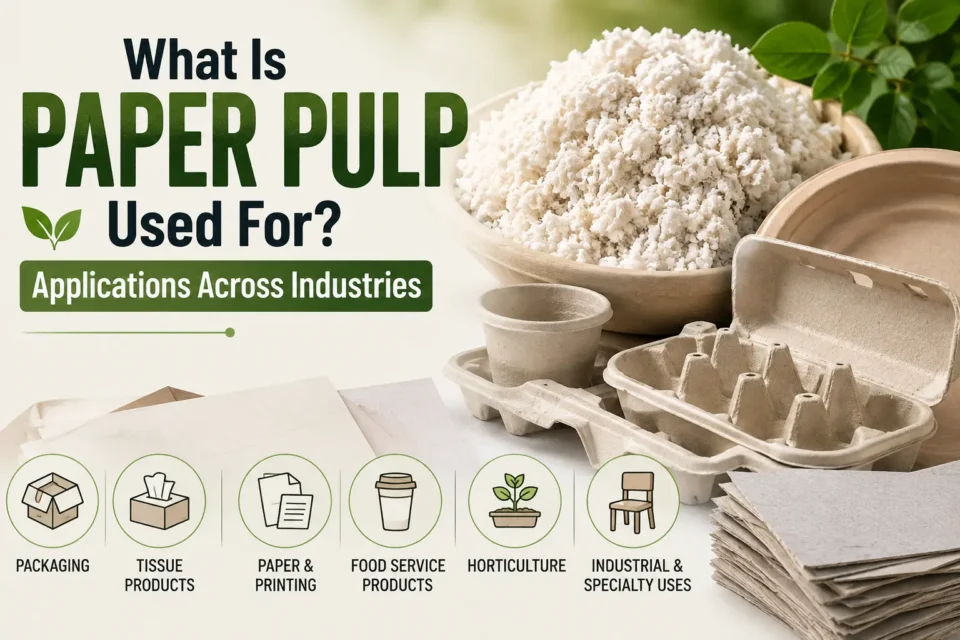
Paper pulp rarely gets the recognition it deserves considering how many industries quietly depend on it. It’s easy to think of pulp as just “the stuff paper is made from,” but its applications stretch far beyond notebooks and printer paper. From protecting eggs during transport to cushioning electronics inside shipping boxes, paper pulp — particularly in its molded form — has become a backbone material across a surprising range of industries. Here’s a full breakdown of where it’s used and why.
1. Packaging — The Fastest-Growing Application
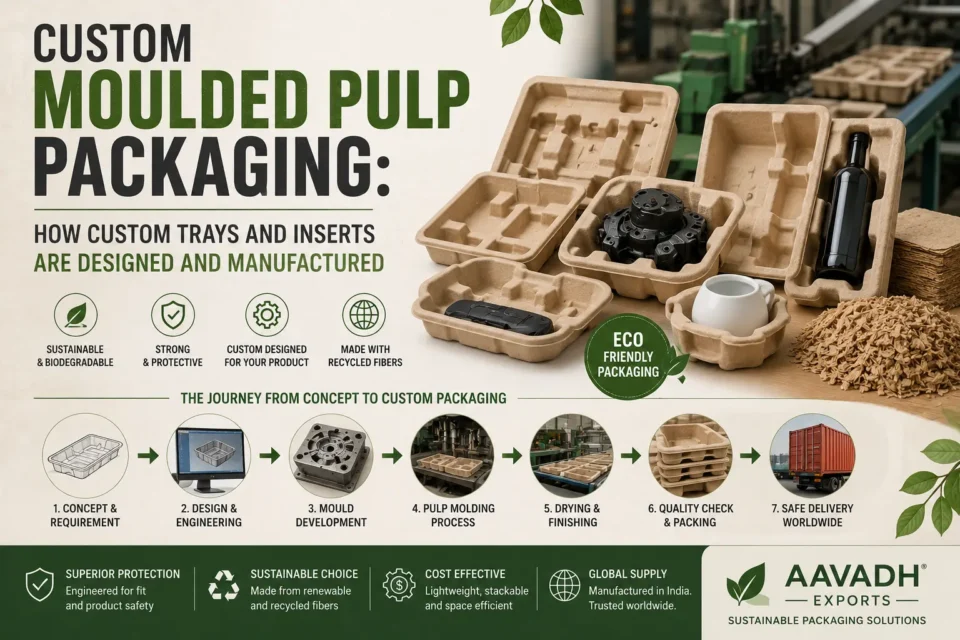
Packaging is where paper pulp is seeing the most explosive growth today, largely driven by the global shift away from single-use plastics. Molded pulp packaging — pulp that’s shaped in molds rather than pressed into flat sheets — is now used to create:
- Egg trays and cartons — one of the oldest and most recognizable uses of molded pulp
- Fruit and vegetable trays — protecting produce during transport while allowing airflow to reduce spoilage
- Protective inserts — cushioning for electronics, glassware, and fragile consumer goods
- Cup holders and food service trays — replacing polystyrene in food packaging
Retailers and manufacturers are adopting pulp-based packaging specifically because it’s biodegradable, recyclable, and increasingly required or incentivized under packaging regulations in markets like the EU, UK, and parts of the US.
2. Food and Agriculture
Beyond egg trays, the food and agriculture sector uses paper pulp for produce packaging, food service trays, and disposable food containers. Its natural, chemical-free composition makes it well-suited for direct or near-direct contact with food items, and its breathability helps preserve freshness for fruits and vegetables better than sealed plastic packaging in many cases.
3. Healthcare and Medical Packaging
Medical and healthcare industries use molded pulp for packaging that needs to be clean, functional, and often single-use. This includes trays for medical instruments, disposable healthcare items, and packaging for products where hygiene and safe disposal matter. Pulp-based medical packaging is particularly valued because it can be manufactured to precise shapes for holding instruments securely, while remaining biodegradable — a growing consideration for healthcare facilities managing waste responsibly.
4. Electronics Packaging
This might be one of the more surprising applications for people unfamiliar with the industry, but molded pulp has become a serious replacement for polystyrene (EPS) foam in electronics packaging. Custom-molded pulp inserts are precision-shaped to cradle components securely during shipping, offering shock absorption comparable to foam while being fully recyclable. As brands face pressure to reduce plastic and foam waste, electronics packaging has become one of the largest global end-use segments for molded fiber.
5. Footwear and Consumer Goods
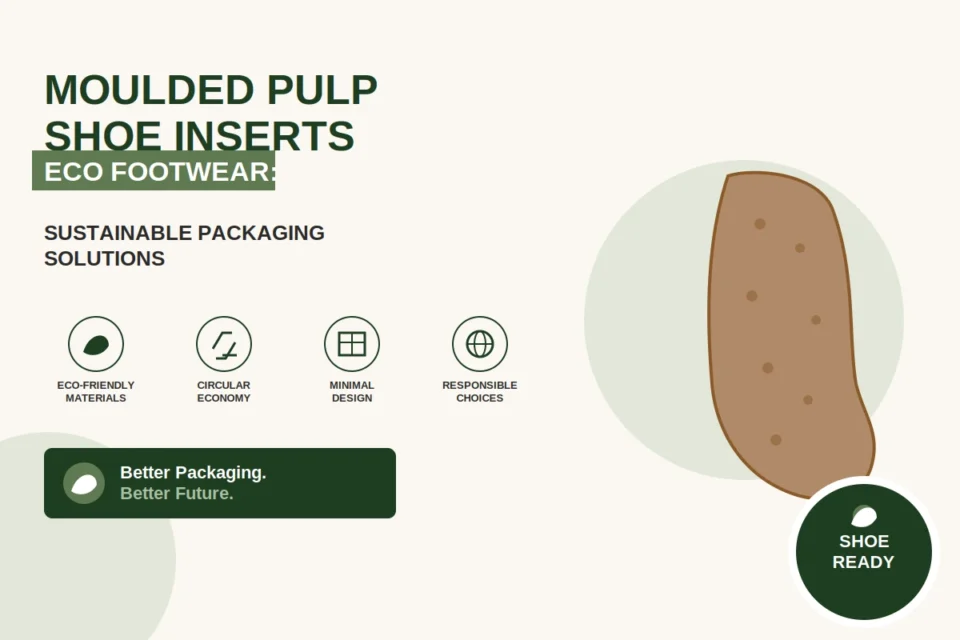
Shoe boxes have traditionally used tissue paper or plastic inserts to maintain shape during shipping and retail display. Molded pulp shoe inserts are increasingly replacing these — offering structure, shape retention, and a more premium, sustainable unboxing experience that aligns with brand sustainability messaging.
6. Industrial and Protective Packaging
Beyond consumer products, molded pulp is used in industrial settings to protect heavier or more delicate components during storage and transit — an application area that continues to expand as manufacturers look for plastic alternatives that still meet protective packaging standards.
7. Traditional Paper Products
Of course, the original and still largest application of paper pulp remains traditional paper products — writing paper, newsprint, cardboard, tissue, and packaging boxes. Even as molded pulp packaging grows, flat paper and board products still account for the majority of global pulp consumption.
Why This Diversification Matters
The expansion of pulp applications beyond flat paper into molded packaging says something important: the material has proven itself functionally capable well beyond its traditional use case. This has pushed manufacturers to invest more heavily in custom mold design and precision forming — which, in turn, improves quality and design flexibility even for traditional buyers like poultry farms and food producers who’ve used pulp packaging for decades.
For businesses evaluating packaging options, this means more choice than ever. Whether you need standard egg trays, custom-shaped protective inserts for electronics, or medical packaging trays, molded pulp can very likely be engineered to your specific requirement.
Choosing the Right Application-Specific Packaging
Not all molded pulp packaging is created equal — a tray designed for holding eggs securely is engineered very differently from one designed to cushion a smartphone during shipping. Density, mold precision, wall thickness, and finish all vary based on the application. This is why working with a manufacturer who understands your specific industry — whether that’s food, healthcare, electronics, or footwear — makes a meaningful difference in performance and cost.
At Aavadh Exports, we manufacture across all these application areas: egg trays for poultry and food businesses, electronics packaging for protective cushioning, medical and healthcare trays, and footwear and consumer goods packaging. If your application doesn’t fit a standard category, we also offer custom molded pulp packaging tailored to your product’s exact size and protection needs. To understand the material itself before choosing an application, see our guide on what paper pulp is.
Frequently Asked Questions
What industries use paper pulp the most?
Packaging, food and agriculture, healthcare, electronics, and traditional paper/paperboard manufacturing are the largest users of paper pulp globally.
Is molded pulp packaging strong enough for electronics?
Yes. Custom-molded pulp inserts are engineered with specific density and wall thickness to provide shock absorption comparable to foam packaging, while remaining recyclable and biodegradable.
Can paper pulp packaging be used for food?
Yes, molded pulp is widely used for food packaging, including egg trays and produce trays, because it’s chemical-free and breathable, though direct food-contact applications should always follow relevant food safety certifications.
Why is molded pulp replacing plastic in packaging?
Increasing regulations on single-use plastics, sustainability commitments from retailers, and consumer demand for eco-friendly packaging are driving the shift toward biodegradable molded pulp alternatives.
Can I get custom pulp packaging designed for my specific product?
Yes — most manufacturers, including Aavadh Exports, offer custom mold design based on your product’s size, shape, and protection requirements.