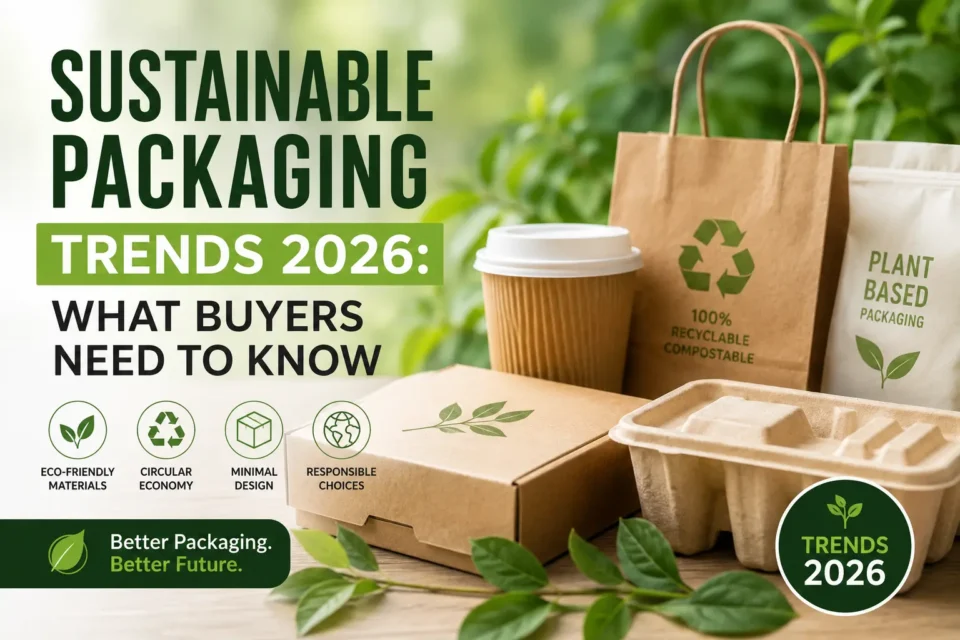
Sustainable packaging stopped being a niche preference a while ago — in 2026, it’s closer to a baseline expectation, driven as much by regulation and cost as by consumer sentiment. For businesses that source, manufacture, or sell packaged goods, understanding what’s actually changing this year — rather than the general “sustainability is important” narrative — matters for planning ahead. This article covers the concrete trends shaping sustainable packaging in 2026 and what they mean for sourcing decisions.
Why 2026 Is a Pivotal Year for Sustainable Packaging
A few forces are converging in 2026 in a way that hasn’t happened together before:
- Major regulation landing simultaneously across multiple large markets — the EU, UK, several US states, and Australia are all tightening plastic packaging rules within a similar window
- Cost parity shifting — sustainable materials like moulded fibre have closed much of the cost gap with plastic at scale, removing the “sustainability costs more” argument that used to slow adoption
- Retailer and marketplace requirements hardening — major retailers are moving from encouraging sustainable packaging to requiring it as part of supplier onboarding
- Consumer scrutiny increasing — sustainability claims are under more public and regulatory scrutiny than before, making genuine material choices (not just marketing language) matter more
Together, these mean 2026 isn’t just another year of gradual sustainability progress — it’s the point where several slow-moving trends are hitting a threshold at the same time.
Regulation as the Biggest Driver
Regulation is doing more to shift packaging decisions in 2026 than consumer preference alone ever did. The EU’s Packaging and Packaging Waste Regulation (PPWR) becomes binding across all member states in August 2026, introducing strict recyclability design rules, substance restrictions, and mandatory producer registration. The UK’s Plastic Packaging Tax continues its annual increase, layered with Extended Producer Responsibility (EPR) fees that specifically penalize hard-to-recycle formats. In the US, a growing number of states have enacted their own EPR laws for packaging, creating a expanding patchwork of producer obligations. Australia’s state-level bans on single-use plastics, including polystyrene and PVC food packaging, are converging toward their most comprehensive phase yet.
For businesses selling across multiple regions, this means packaging compliance in 2026 is no longer a single national checklist — it’s an ongoing, multi-jurisdiction responsibility that directly shapes which materials make sense to use.
Rise of Moulded Fibre Beyond Food
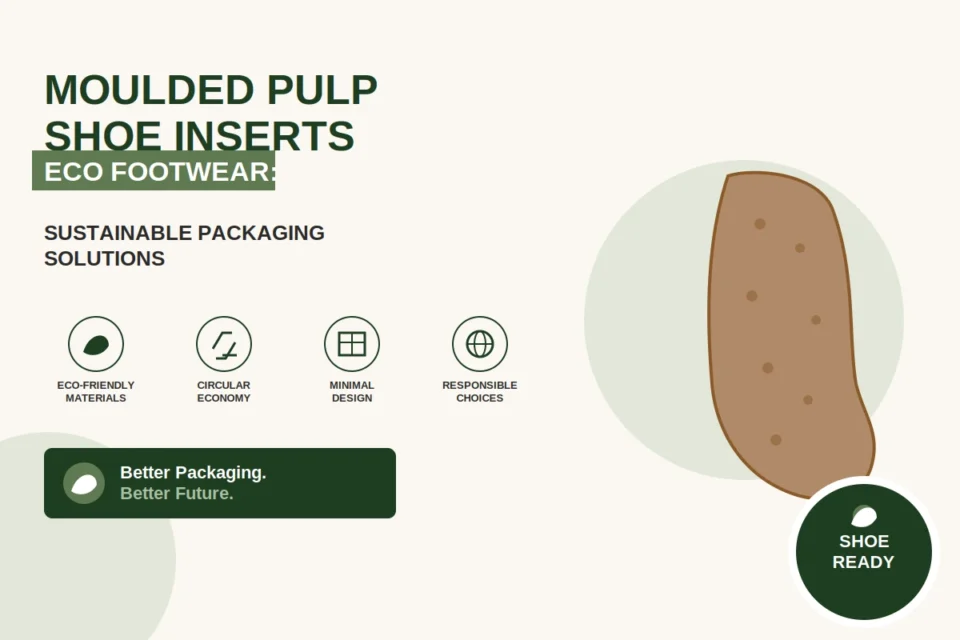
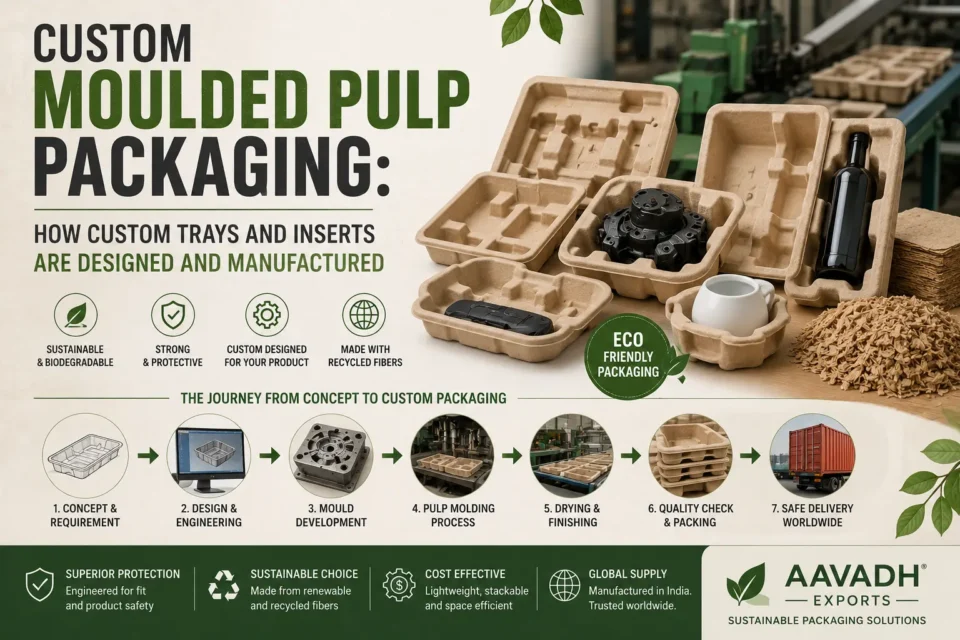
Moulded pulp and fibre packaging has traditionally been associated with food applications — egg trays, fruit trays, cup holders. That’s changing. Electronics packaging has become the largest global end-use segment for moulded fibre, as brands replace EPS foam inserts with fibre-based alternatives for shipping and protecting components. Footwear, cosmetics, and general retail packaging are following a similar path, adopting custom-moulded fibre inserts in place of foam and rigid plastic.
This diversification matters for two reasons: it signals that moulded fibre has proven itself functionally beyond its original use case, and it means manufacturers are investing more in custom mould capability and precision forming — improving quality and design options across the board, including for traditional food-packaging buyers.
Retailer & Consumer Demand for Visible Sustainability
Packaging has become a visible extension of brand values in a way it wasn’t a decade ago. Unboxing content on social media, retailer sustainability scorecards for suppliers, and public plastic-reduction commitments from major grocery and retail chains all put pressure on suppliers further up the chain — including packaging manufacturers and the businesses that source from them.
For businesses supplying retail chains, this increasingly shows up as a concrete requirement rather than a soft preference — some retailers now explicitly favor or require recyclable, biodegradable, or reduced-plastic packaging as part of supplier agreements, particularly for private-label and premium product lines.
Material Innovation — What’s Changing in Pulp & Fibre Packaging
Beyond regulation and demand, the materials themselves are improving. Manufacturing techniques for moulded pulp have advanced to allow finer detail, thinner walls without sacrificing strength, and better surface finishes — closing the visual and tactile gap that used to separate “premium-feeling” plastic packaging from paper-based alternatives. Custom mould development has also become faster and more accessible, letting mid-sized brands develop precision packaging that previously required plastic injection tooling.
This matters for buyers because it means moulded fibre is no longer a compromise material chosen only for sustainability reasons — in a growing number of applications, it now performs comparably to what it’s replacing, while carrying a genuine sustainability and, increasingly, cost advantage.
What This Means for Your Sourcing Strategy in 2026
A few practical takeaways for businesses reviewing their packaging in 2026:
- Audit your current packaging against the regulations active in every market you sell into, not just your home market
- Don’t wait for a deadline year to react — most 2026 frameworks reward early registration, reporting, and material transitions, and penalize late compliance
- Reconsider categories you haven’t before — if you’ve only thought about sustainable packaging for food products, electronics, footwear, and general retail packaging are now realistic categories for a fibre-based switch
- Request samples early — material and mould quality has improved enough that it’s worth re-testing alternatives even if you evaluated moulded fibre a few years ago and found it lacking for your application
- Treat packaging sustainability as a supply chain decision, not a marketing decision — the businesses managing this well in 2026 are integrating it into procurement and compliance planning, not just brand messaging
See Our Range of Sustainable Packaging Solutions
Aavadh Exports manufactures moulded pulp packaging — egg trays, fruit trays, cup holders, shoe inserts, medical disposables, and custom industrial packaging — for businesses navigating exactly these shifts across the USA, UK, Australia, and Singapore. If you’re reviewing your packaging strategy for 2026, we can send samples and talk through how a switch fits your specific product and compliance needs.
Explore Our Products → Get a Quote →
📧 info@aavadhexports.com | 📞 +91 99 50 67 9838sustainable packaging trends 2026