Paper pulp products is a surprisingly broad category — it spans everything from the notebook paper on your desk to the egg carton in your fridge to the protective packaging cushioning a shipped electronic device. For businesses exploring pulp-based materials for the first time, understanding the full range of product types — and what to consider when sourcing them — makes the process far less overwhelming. Here’s a complete overview.
The Two Broad Categories of Paper Pulp Products
At the highest level, paper pulp products fall into two categories based on how the pulp is processed:
- Flat/sheet products — pulp pressed into flat sheets, forming paper, cardboard, and board products
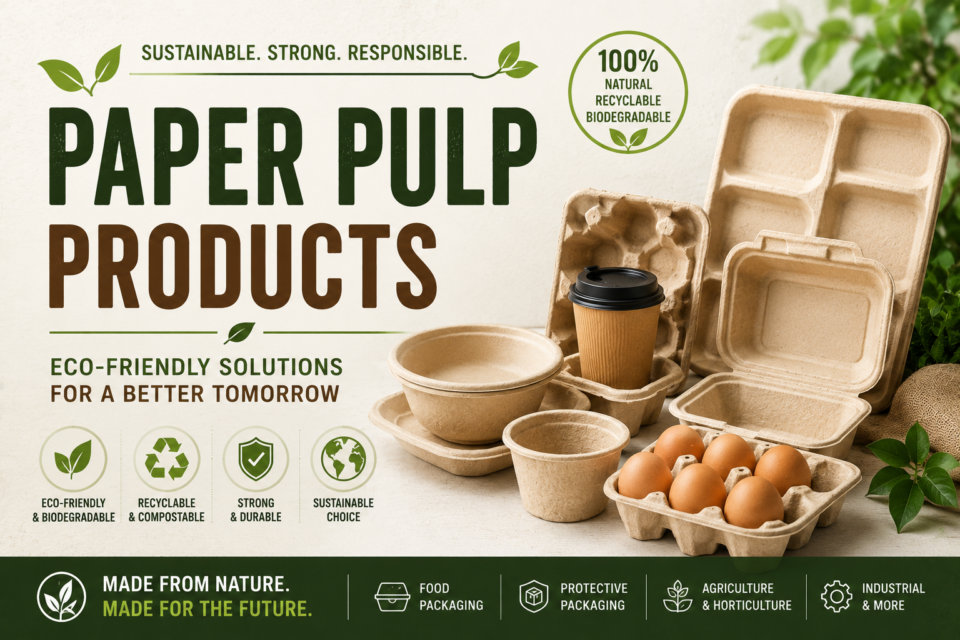
- Molded/formed products — pulp shaped in molds into three-dimensional packaging, like trays and protective inserts
Both start from the same raw material — cellulose fiber pulp — but diverge significantly in manufacturing process, equipment, and end use.
Flat Paper Pulp Products
Writing and Printing Paper
The most familiar pulp product — standard paper used for printing, writing, and general office use. Quality and brightness vary based on fiber type (virgin vs recycled) and processing (bleached vs unbleached).
Newsprint
A lower-cost, less refined paper product, typically made using mechanical pulp, prioritizing cost efficiency over long-term durability or brightness.
Cardboard and Corrugated Board
Used extensively for boxes and shipping packaging, cardboard is generally made from a mix of recycled and kraft (chemical) pulp, chosen for strength and structural rigidity.
Tissue and Specialty Paper
Includes products like tissue paper, paper towels, and specialty papers (such as filter paper or currency paper), often requiring specific fiber blends suited to their particular function.
Molded Pulp Packaging Products
Egg Trays and Cartons
One of the oldest and most established molded pulp products, engineered with individual cavities to protect eggs during handling and transport.
Fruit and Vegetable Trays
Similar molding principles applied to produce packaging, balancing protection with the breathability needed to reduce spoilage.
Protective Packaging Inserts
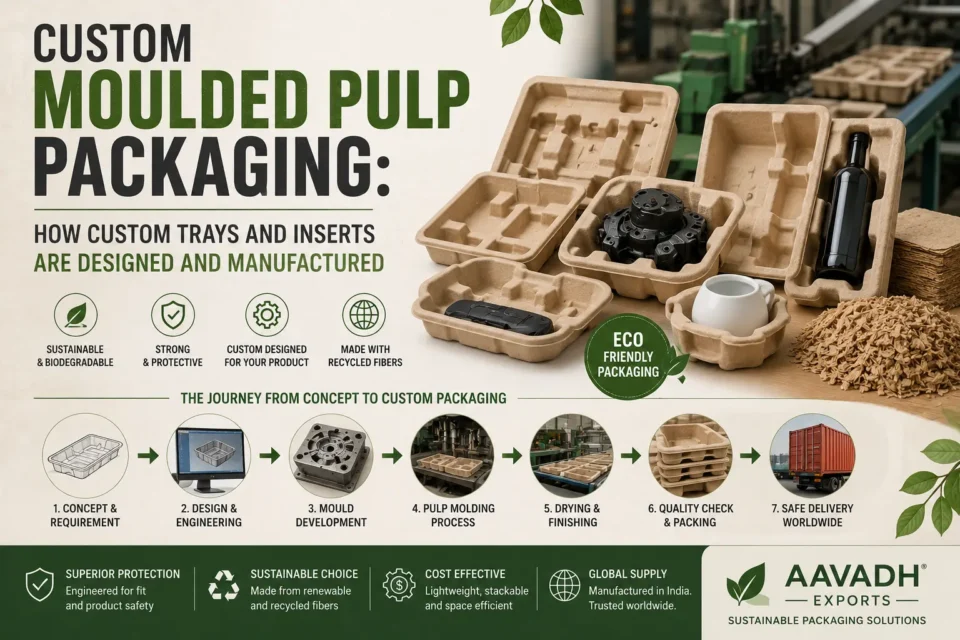
Custom-molded shapes designed to cushion specific products — commonly used in electronics, consumer goods, and industrial packaging as a replacement for foam.
Medical and Healthcare Trays
Molded packaging designed for medical instruments and disposable healthcare items, valued for cleanliness, functionality, and biodegradability.
Footwear and Retail Packaging
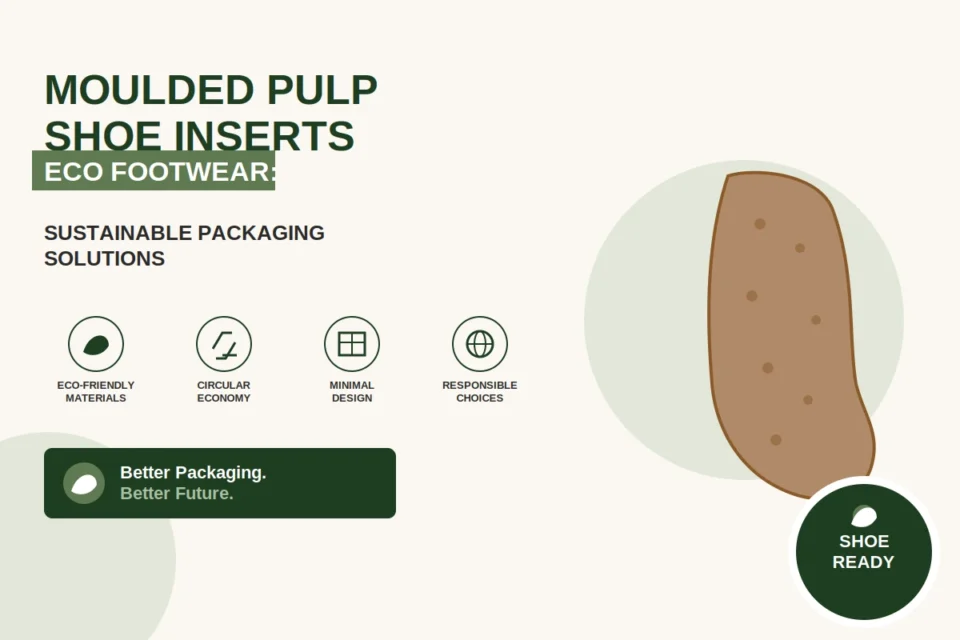
Molded pulp inserts used to maintain shoe shape during shipping and retail display, increasingly replacing plastic and tissue paper inserts.
Food Service Products
Molded pulp cup holders, food trays, and disposable containers, replacing polystyrene in food service applications.
For a more detailed breakdown of how these applications differ by industry, see our guide on paper pulp applications across industries.
Key Buying Considerations by Product Type
For Flat Paper Products
- Brightness and finish — relevant for printing and writing paper applications
- Recycled content percentage — affects both cost and sustainability positioning
- Weight/GSM — determines suitability for different applications, from lightweight tissue to heavier board
For Molded Pulp Packaging Products
- Standard vs custom mold — standard products (like typical egg trays) are more cost-effective and readily available; custom molds require additional lead time but provide product-specific protection
- Density and thickness — affects structural strength, particularly important for protective packaging applications
- Finish — transfer-molded (more textured, cost-effective) vs thermoformed (smoother, more precise) depending on application needs
- Certifications — relevant food safety or quality certifications depending on your industry
- Production capacity and lead time — especially important for bulk or recurring orders
How to Decide What You Actually Need
The starting point for any sourcing decision is identifying which broad category applies to your need. If you’re looking for flat packaging material — boxes, wrapping, void fill — you’re likely looking at cardboard or paper-based products. If you need something that holds, separates, or protects a specific shaped item, you’re looking at molded pulp packaging, which is a more specialized manufacturing category requiring a different type of supplier expertise.
From there, the more specific your requirement — expected order volume, product dimensions, protection level needed, target market regulations — the more accurately a supplier can recommend a standard product or design a custom solution.
Sourcing the Right Pulp Product for Your Business
Understanding this full landscape of pulp products helps you communicate more precisely with potential suppliers and avoid mismatched expectations — a manufacturer specializing in flat cardboard packaging isn’t necessarily equipped to produce custom molded protective inserts, and vice versa.
At Aavadh Exports, we specialize specifically in molded pulp packaging products — manufacturing egg trays, electronics packaging, medical and healthcare trays, and footwear and consumer goods packaging, along with custom molded pulp packaging designed around your product’s exact specifications. Browse our full product range to see what fits your needs.
Frequently Asked Questions
Q.1. What’s the main difference between flat paper products and molded pulp products?
Answer: Flat products are pressed into sheets (paper, cardboard), while molded products are shaped in molds into three-dimensional forms (trays, protective inserts) — requiring different manufacturing equipment and expertise.
Q.2. Are molded pulp products more expensive than flat paper packaging?
Answer: Generally yes, per unit, due to the additional mold-forming process, but they provide structural protection that flat packaging can’t offer, making them the right choice for fragile or irregularly shaped items.
Q.3. Can one supplier produce both flat and molded pulp products?
Answer: Some larger, vertically integrated companies do, but many manufacturers specialize in one category or the other, since the equipment and expertise required differ significantly.
Q.4. How do I know if I need standard or custom molded packaging?
Answer: If your product matches common dimensions (like standard eggs or common electronics sizes), standard products may work well and cost less. For uniquely shaped or sized products, custom mold design typically provides better protection and fit.
Q.5. What certifications should I look for when buying pulp packaging products?
Answer: Depending on your industry, relevant certifications might include food safety standards (for food-contact packaging), quality management certifications like ISO 9001, and any region-specific compliance standards for your target export market.