Wood remains the dominant raw material for pulp and paper worldwide, but it’s far from the only one. Cotton — specifically cotton linter, a by-product of cotton processing — has been used as a pulp fiber source for specialty paper products for well over a century. If you’ve come across the term and wondered what it actually refers to, here’s a clear explanation of cotton pulp, cotton linter, and where they fit into the broader pulp and paper landscape.
What Is Cotton Linter?
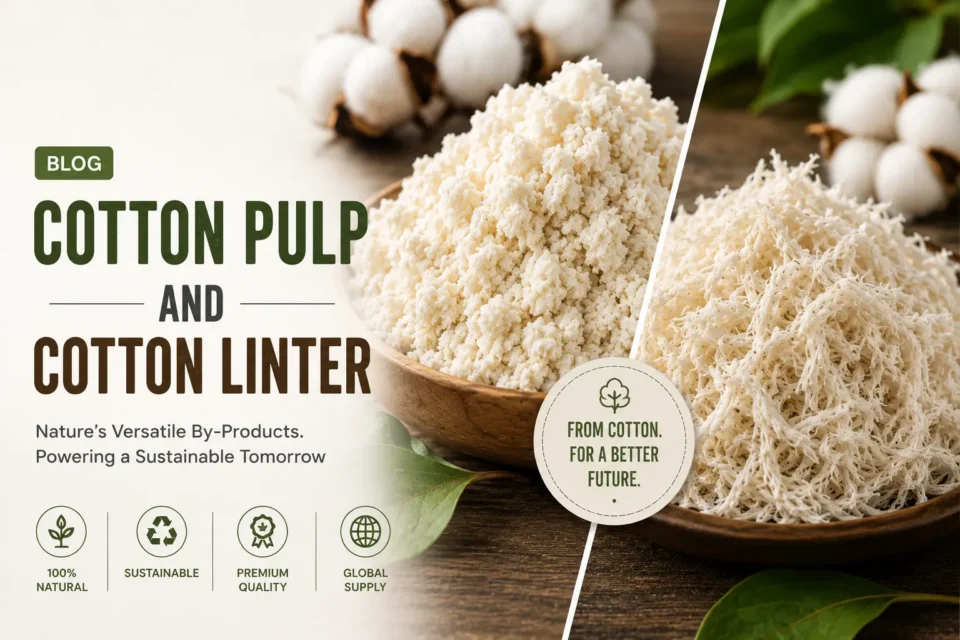
Cotton linter refers to the short, fuzzy fibers that remain attached to cottonseed after the longer, spinnable cotton fibers have been removed during the ginning process (the process of separating cotton fiber from seeds). These short fibers are too short to be spun into yarn or thread, but they’re chemically almost pure cellulose — making them an excellent raw material for pulp production, even though they’re technically a cotton industry by-product rather than a primary crop.
What Is Cotton Pulp?
Cotton pulp is the processed pulp fiber derived from cotton linter (and occasionally cotton fabric waste), used as an alternative to wood-based pulp in certain paper and specialty product applications. Because cotton linter is already close to pure cellulose with minimal lignin content, it requires less intensive chemical processing to produce high-quality pulp compared to wood, which contains significantly more lignin that needs to be removed.
Why Cotton Pulp Is Used
Cotton pulp isn’t typically used as a mainstream packaging material — it’s reserved for applications where its specific properties offer a real advantage:
High Purity and Brightness
Because cotton linter starts with very low lignin content, cotton pulp naturally produces bright, stable paper without requiring extensive bleaching — valuable for products where long-term color stability matters, such as archival documents, currency paper, and fine art paper.
Exceptional Strength and Durability
Cotton fiber is naturally strong and long, producing pulp with excellent tensile strength and durability. This is part of why cotton pulp has historically been used for currency paper (many national currencies use cotton-linen blend paper specifically for this durability) and high-end stationery.
Longevity
Paper made from cotton pulp resists yellowing and degradation far better than standard wood pulp paper over long periods, making it the preferred choice for legal documents, archival records, and fine art or watercolor paper meant to last for decades or longer.
Common Applications of Cotton Pulp
- Currency and security paper — valued for durability and distinct texture that’s difficult to replicate
- Archival and legal documents — chosen for long-term stability and resistance to yellowing
- Fine art and watercolor paper — prized for texture, absorbency, and longevity
- High-end stationery and specialty printing paper — used where premium feel and durability matter
- Certain technical and filter papers — cotton pulp’s purity makes it suitable for specialized industrial and laboratory applications
Cotton Pulp vs Wood Pulp: Key Differences
| Factor | Cotton Pulp | Wood Pulp |
|---|---|---|
| Lignin content | Very low | Higher, requires more processing |
| Fiber strength | Very high | Moderate to high, depending on process |
| Cost | Significantly higher | Lower, more widely available |
| Typical use | Specialty/premium paper | Mainstream paper and packaging |
| Longevity | Excellent, resists yellowing | Good, especially with chemical pulping |
Why Cotton Pulp Isn’t Used for Standard Molded Packaging
Given its strength and quality advantages, it’s fair to ask why cotton pulp isn’t used more broadly, including for molded packaging products like egg trays or protective inserts. The answer comes down to cost and availability: cotton linter is a limited by-product of cotton processing, making it significantly more expensive and less abundant than recycled paper or standard wood pulp. For high-volume, cost-sensitive applications like molded packaging, recycled paper pulp remains the far more practical and economical choice, while cotton pulp is reserved for lower-volume, higher-value specialty products where its unique properties justify the added cost.
Where This Fits in the Broader Alternative Fiber Landscape
Cotton is just one of several alternative fiber sources used across the pulp and paper industry, alongside options like bamboo, wheat straw, and bagasse (sugarcane residue). Each offers a different balance of cost, strength, sustainability profile, and application suitability. For a broader look at these alternatives and how they compare, see our guide on alternative fibres for paper pulp.
At Aavadh Exports, our focus is on recycled paper-based molded pulp packaging — the most practical and sustainable fiber choice for high-volume applications like egg trays, electronics packaging, medical and healthcare trays, and footwear and consumer goods packaging, balancing strength, cost, and environmental impact for export-grade bulk supply.
Frequently Asked Questions
Is cotton pulp more environmentally friendly than wood pulp?
It’s more of a trade-off than a clear win either way — cotton linter is a by-product (reducing waste from cotton processing), but cotton cultivation itself has a significant water and land footprint, so the environmental comparison depends on the full lifecycle being considered.
Why is cotton pulp used for currency paper?
Cotton fiber’s exceptional strength and durability make currency notes more resistant to tearing, folding damage, and wear from repeated handling compared to standard wood pulp paper.
Can cotton pulp be used for packaging?
Technically yes, but its high cost relative to recycled paper and wood pulp makes it impractical for most mainstream packaging applications, including molded pulp products like egg trays and protective inserts.
What’s the difference between cotton linter and cotton fiber used for fabric?
Cotton fiber for fabric is the longer, spinnable fiber removed during ginning, while cotton linter is the short, fuzzy fiber left behind on the seed — too short for spinning but well-suited for pulp production.
Is cotton pulp paper acid-free?
Cotton pulp paper is often naturally low in acidity due to its low lignin content, which contributes to its long-term stability and resistance to yellowing, though specific acid-free processing may still be applied depending on the product.