Sustainable packaging gets used so often as a marketing term that it’s easy to lose sight of what it actually means in practice. Paper pulp packaging stands out because it doesn’t just claim sustainability — it operates on genuine circular economy principles: material is recovered, reprocessed, and reused in a continuous loop, rather than following the traditional “take, make, dispose” model. Here’s how that actually works, and why it matters for businesses evaluating packaging options.
What Is a Circular Economy, Briefly
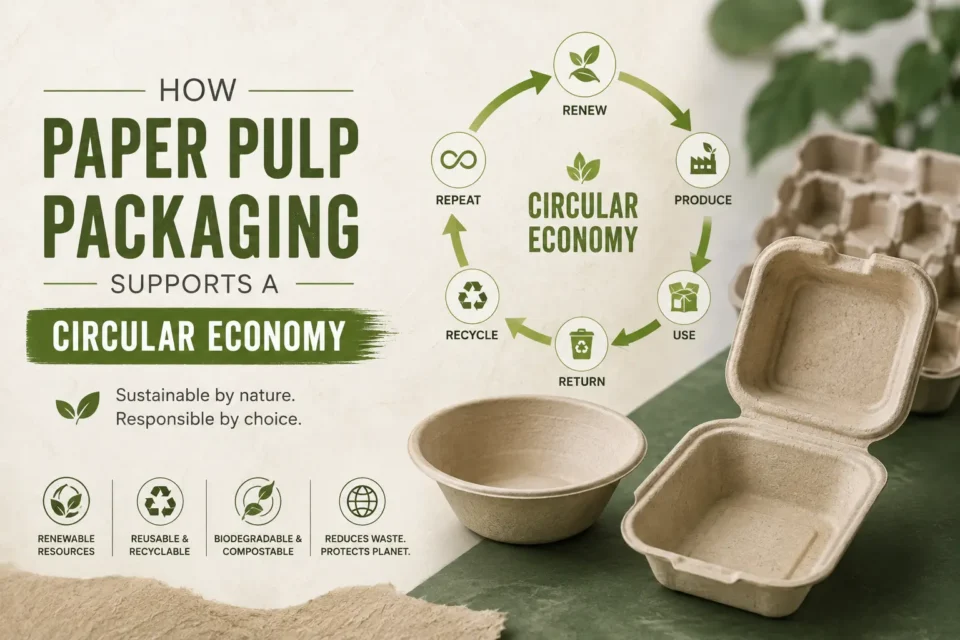
A circular economy is an economic model built around keeping materials in use for as long as possible — through reuse, repair, and recycling — rather than extracting new raw material, using it once, and discarding it as waste. Applied to packaging, this means designing products so the material can be recovered and reprocessed into new products at the end of its life, rather than ending up in landfill.
Where Paper Pulp Packaging Fits In
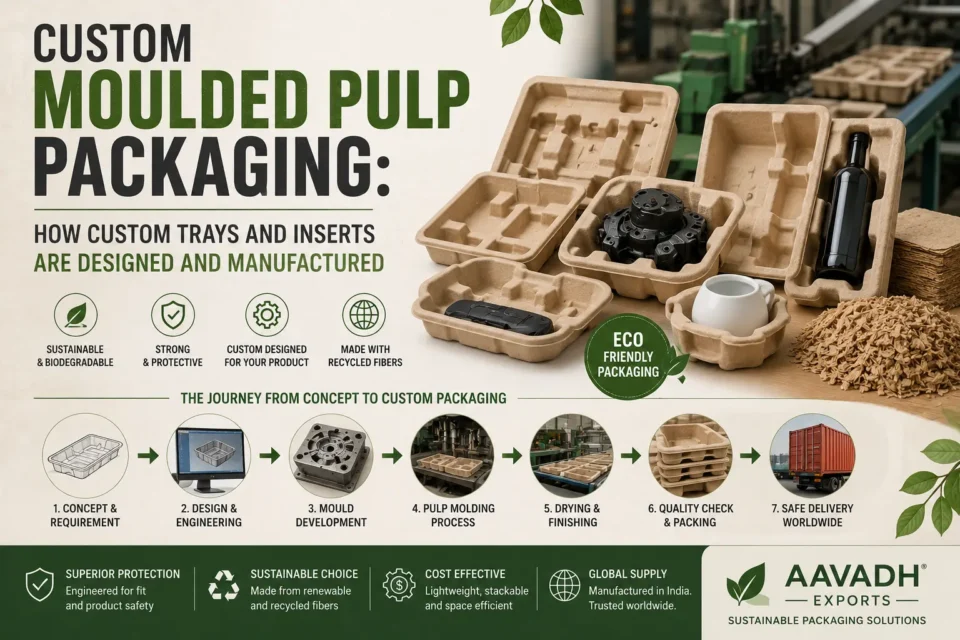
Molded pulp packaging — egg trays, protective inserts, medical trays, and similar products — is one of the clearest real-world examples of circular economy principles applied to packaging, for a few specific reasons.
1. It’s Primarily Made From Recycled Material
Most molded pulp packaging starts as recycled paper and cardboard — material that’s already been used once (as a newspaper, a shipping box, an office document) and is reprocessed into new pulp rather than requiring fresh virgin material. This directly reduces demand on forests and virgin raw material extraction.
2. It Can Be Recycled Again After Use
Once a molded pulp product has served its purpose — protecting eggs during transport, cushioning an electronic component — it can typically be recycled again, re-entering the same paper recycling stream it originally came from. This creates a genuine loop: recycled paper becomes packaging, which becomes recycled paper again.
3. It Biodegrades Naturally If Not Recycled
For pulp packaging that doesn’t make it back into formal recycling streams, its natural cellulose fiber composition means it biodegrades far more readily than plastic or polystyrene alternatives, significantly reducing its long-term environmental footprint even in less-than-ideal disposal scenarios.
4. It Reduces Reliance on Virgin Resources
Because molded pulp packaging draws heavily on the existing recycled paper supply chain, it reduces pressure on virgin wood pulp production, which in turn reduces the broader environmental footprint associated with logging, chemical pulping, and associated resource use.
How This Compares to Plastic Packaging
Traditional plastic packaging, particularly single-use plastic and polystyrene foam, follows a much more linear path — produced from petroleum-based raw material, used once, and in most cases, either landfilled or, at best, downcycled into lower-quality plastic products rather than truly recycled into equivalent new packaging. Even when technically recyclable, plastic packaging recycling rates remain significantly lower globally than paper and cardboard recycling rates, largely due to sorting complexity and contamination issues.
This is a key reason regulatory frameworks — like the EU’s Packaging and Packaging Waste Regulation and various state-level Extended Producer Responsibility laws in the US — increasingly favor materials like molded pulp that align more naturally with circular economy goals.
What This Means for Businesses Choosing Packaging
For businesses making sustainability commitments — whether driven by regulation, retailer requirements, or brand values — choosing molded pulp packaging isn’t just a marketing checkbox. It represents a genuine shift toward circular material flows, which increasingly matters for:
- Regulatory compliance — as packaging waste regulations tighten across major markets
- Retailer and distributor requirements — many large retailers now have their own packaging sustainability standards for suppliers
- Consumer perception — sustainability-conscious buyers increasingly favor visibly eco-friendly packaging
- Long-term cost stability — recycled paper supply chains tend to be less volatile than petroleum-based plastic markets
Making the Most of the Circular Loop
To genuinely benefit from paper pulp packaging’s circular economy advantages, it helps to consider the full lifecycle — not just the packaging material itself, but how it’s disposed of or recycled at the end of its use. Businesses can support this further by clearly labeling packaging for recycling and, where relevant, choosing suppliers who prioritize high recycled-content material in their production process.
For a deeper look at how recycled and virgin pulp compare in terms of environmental impact and performance, see our guide on recycled vs virgin paper pulp. And for a broader picture of where the packaging industry is heading, our overview of sustainable packaging trends covers the regulatory and market forces shaping this shift.
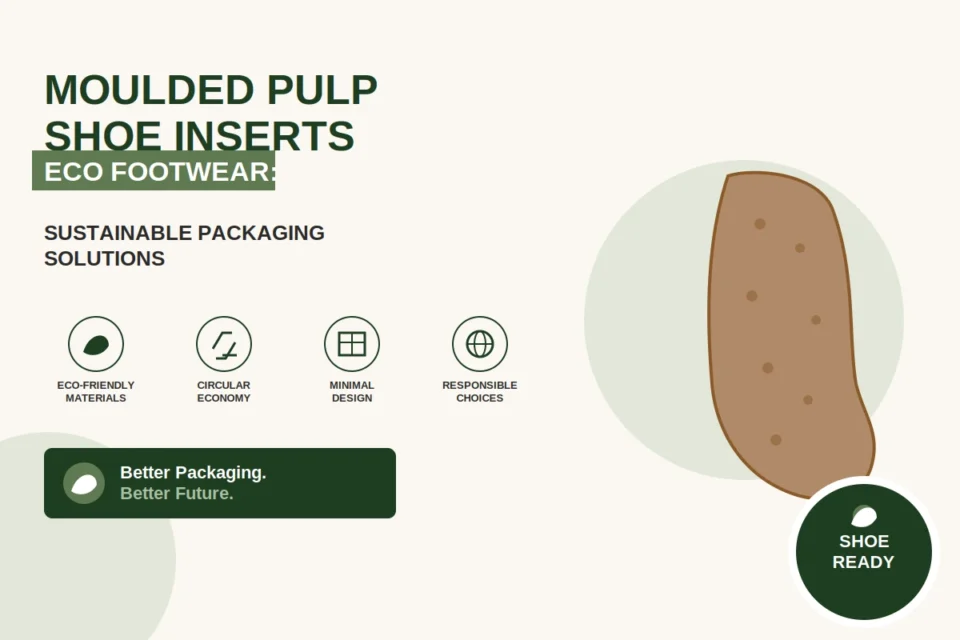
At Aavadh Exports, our molded pulp packaging is built around this circular approach — manufactured primarily from recycled paper fiber across our egg trays, electronics packaging, medical and healthcare trays, and footwear and consumer goods packaging — supporting businesses that want their packaging choices to genuinely reflect their sustainability goals.
Frequently Asked Questions
Is molded pulp packaging always made from recycled material?
Most molded pulp packaging is made primarily from recycled paper and cardboard, though some manufacturers blend in virgin fiber for added strength depending on the application.
Can molded pulp packaging be recycled multiple times?
Yes, though like most paper fiber, cellulose strands shorten slightly with each recycling cycle, meaning fiber quality gradually decreases over multiple cycles rather than remaining identical indefinitely.
How does molded pulp packaging compare to plastic in a circular economy?
Molded pulp packaging generally participates more effectively in circular material flows, since paper recycling rates are significantly higher globally than plastic recycling rates, and pulp packaging also biodegrades naturally if not recycled.
Does using recycled pulp packaging actually reduce environmental impact?
Yes — using recycled material reduces demand on virgin wood pulp production and keeps material in active use longer, both of which are core principles of circular economy environmental benefits.
Are there certifications that verify a packaging supplier’s circular economy practices?
Various certifications and standards exist around recycled content and sustainable sourcing; it’s worth asking suppliers directly about their recycled content percentage and any relevant certifications they hold.