aavadh exports

Aavadh exports

Molded Pulp Fruit & Produce Trays

Molded Pulp Fruit & Produce Trays: Export Specifications

Fresh produce retailers across Europe and North America have been steadily replacing plastic clamshells and foam trays with molded pulp packaging, driven by both retailer sustainability commitments and tightening plastic packaging regulations. This guide covers the export specifications, benefits, and sourcing considerations for buyers evaluating molded pulp fruit and produce trays. What Are Molded Pulp

Molded Pulp Fruit & Produce Trays: Export Specifications Read More »
Molded Pulp Cup Carriers and Drink Trays for Food Service

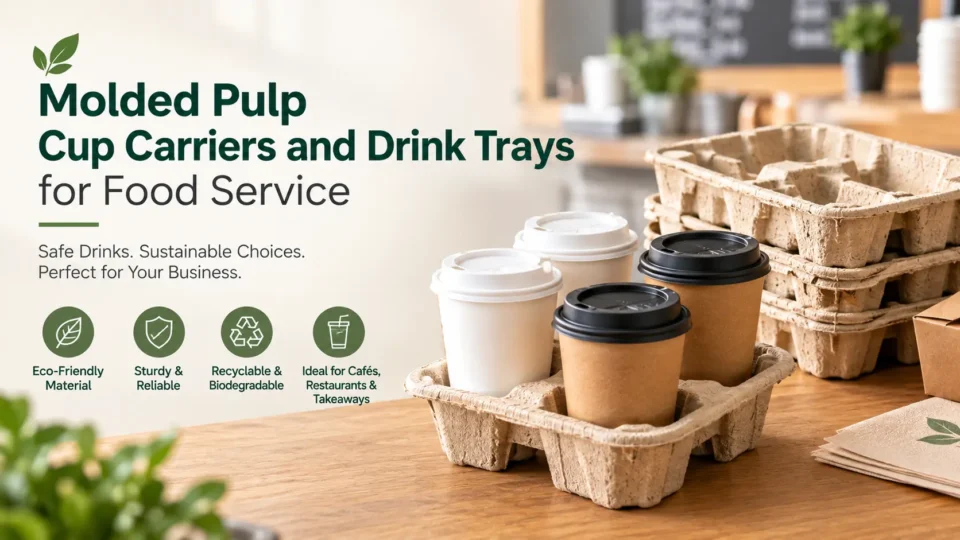
Molded Pulp Cup Carriers and Drink Trays for Food Service

As foam and plastic drink carriers face bans across major markets, molded pulp cup carriers have become the standard replacement for cafés, quick-service restaurants (QSR), food trucks, and delivery kitchens worldwide. This guide covers how molded pulp cup carriers compare to plastic alternatives, what specifications matter for bulk buyers, and how to evaluate a supplier

Molded Pulp Cup Carriers and Drink Trays for Food Service Read More »

Molded Pulp Wine & Bottle Packaging

Molded Pulp Wine & Bottle Packaging: A Buyer’s Guide

Wine and spirits brands lose a measurable percentage of every shipment to breakage — a cost that has driven the beverage packaging industry toward molded pulp shippers over the last decade. Unlike foam inserts or corrugated dividers, molded pulp bottle packaging is engineered specifically to cradle glass, absorb shock, and biodegrade at end of life,

Molded Pulp Wine & Bottle Packaging: A Buyer’s Guide Read More »

A Buyer’s Guide to Importing Molded Pulp Packaging from India: Documentation, Ports, and Lead Times

For businesses sourcing molded pulp packaging internationally for the first time, the process of importing from an overseas manufacturer can feel more complicated than it needs to be. This guide walks through what to actually expect — from documentation requirements to shipping logistics to realistic lead times — so first-time buyers can plan with confidence.

A Buyer’s Guide to Importing Molded Pulp Packaging from India: Documentation, Ports, and Lead Times Read More »

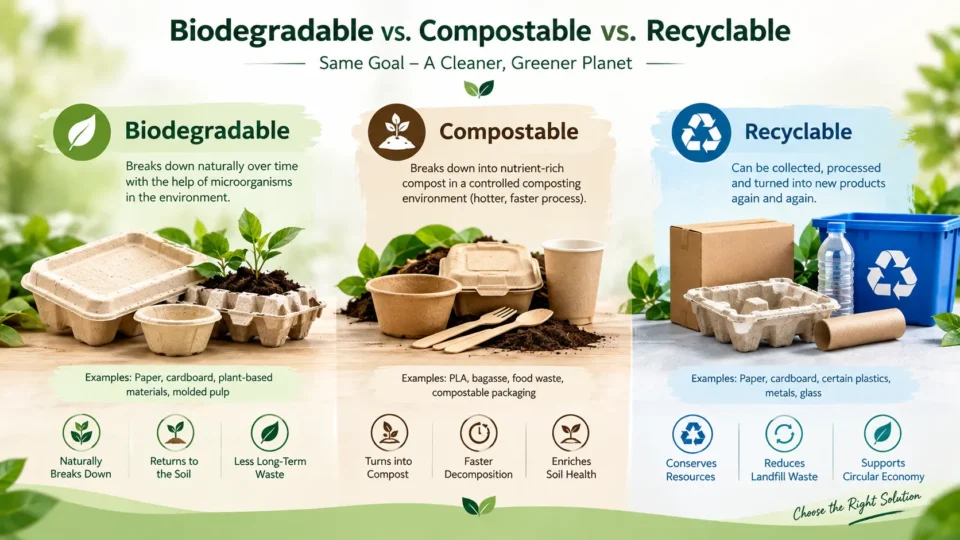
Biodegradable vs. Compostable vs. Recyclable

Biodegradable vs. Compostable vs. Recyclable — What Does Eco-Friendly Packaging Actually Mean?

Eco-friendly has become one of the most overused and least precise terms in packaging marketing. Biodegradable, compostable, and recyclable are often used interchangeably in casual conversation, but they describe genuinely different end-of-life outcomes, with different infrastructure requirements and different regulatory implications. For packaging buyers making sourcing decisions — or making sustainability claims to their own

Biodegradable vs. Compostable vs. Recyclable — What Does Eco-Friendly Packaging Actually Mean? Read More »

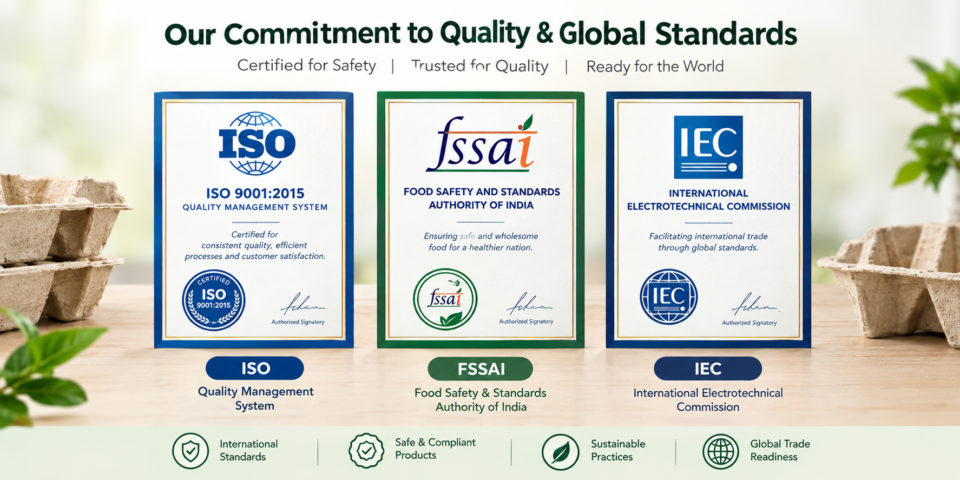
ISO, FSSAI, and IEC Certifications

Understanding ISO, FSSAI, and IEC Certifications: What They Mean for Your Packaging Supplier

When evaluating an overseas packaging manufacturer, certification badges are often the first thing buyers notice — and the last thing they actually understand. This guide breaks down what ISO, FSSAI, and IEC certifications specifically mean, why they matter for molded pulp packaging buyers, and what questions to ask a supplier beyond simply confirming a certification

Understanding ISO, FSSAI, and IEC Certifications: What They Mean for Your Packaging Supplier Read More »

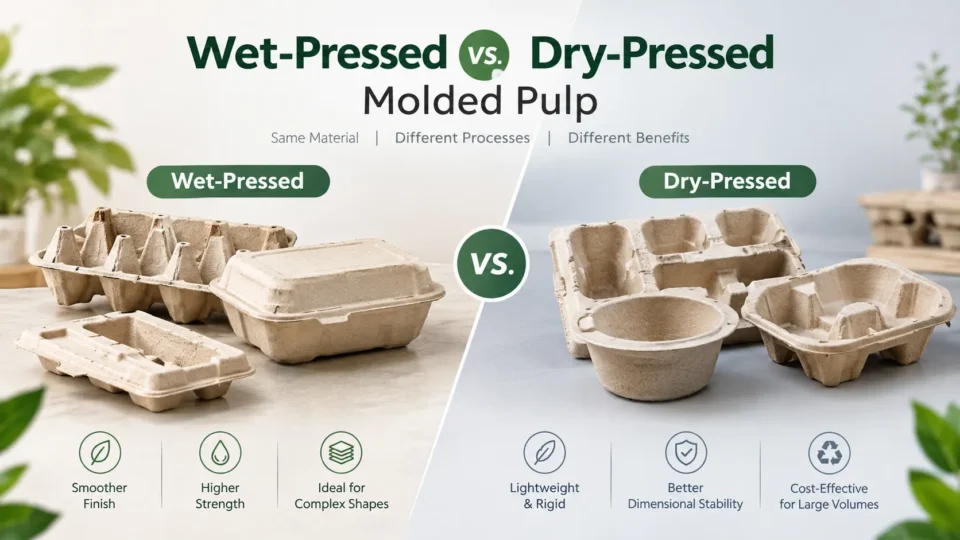
Wet-Pressed vs. Dry-Pressed Molded Pulp

Wet-Pressed vs. Dry-Pressed Molded Pulp — What’s the Difference and Which Do You Need?

Not all molded pulp packaging is manufactured the same way, and the production method has a direct effect on the final product’s surface finish, dimensional precision, and cost. Understanding the difference between wet-pressed and dry-pressed (also called thermoformed) molded pulp helps buyers ask the right questions when evaluating a supplier or specifying a new product.

Wet-Pressed vs. Dry-Pressed Molded Pulp — What’s the Difference and Which Do You Need? Read More »

Medical & Healthcare Molded Fiber Trays

Medical & Healthcare Molded Fiber Trays: Hygiene, Compliance, and Use Cases

Healthcare settings have unique packaging requirements that differ meaningfully from food or consumer goods packaging: single-use disposability, low contamination risk, and straightforward, hygienic disposal are often more important than cost or aesthetics. Molded fiber trays have long served a role in this space, and understanding where and why they’re used helps healthcare facilities and medical

Medical & Healthcare Molded Fiber Trays: Hygiene, Compliance, and Use Cases Read More »

The Complete Guide to Molded Pulp Shoe Inserts and Shoe Trees for Footwear Manufacturers

The Complete Guide to Molded Pulp Shoe Inserts and Shoe Trees for Footwear Manufacturers

Shoe inserts and shoe trees made from molded pulp serve a purpose that’s often underestimated: they’re not just filler material inside a shoebox, but a functional component that helps preserve shoe shape, absorb moisture, and protect footwear during storage and international shipping. As footwear brands face growing pressure to reduce plastic content across their packaging,

The Complete Guide to Molded Pulp Shoe Inserts and Shoe Trees for Footwear Manufacturers Read More »

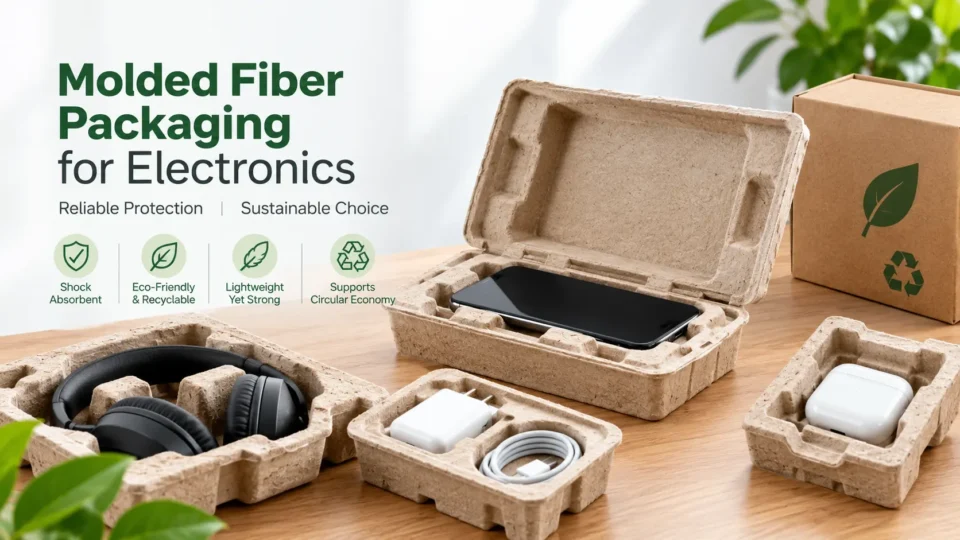
Molded Fiber Packaging for Electronics

Molded Fiber Packaging for Electronics — Replacing EPS Foam Without Losing Protection

Expanded polystyrene (EPS) foam has been the default protective packaging material for electronics and sensitive components for decades, prized for its light weight and shock-absorbing properties. But EPS is difficult and expensive to recycle in most municipal systems, is being restricted or banned outright in a growing number of jurisdictions, and increasingly conflicts with the

Molded Fiber Packaging for Electronics — Replacing EPS Foam Without Losing Protection Read More »