aavadh exports

Moulded Pulp

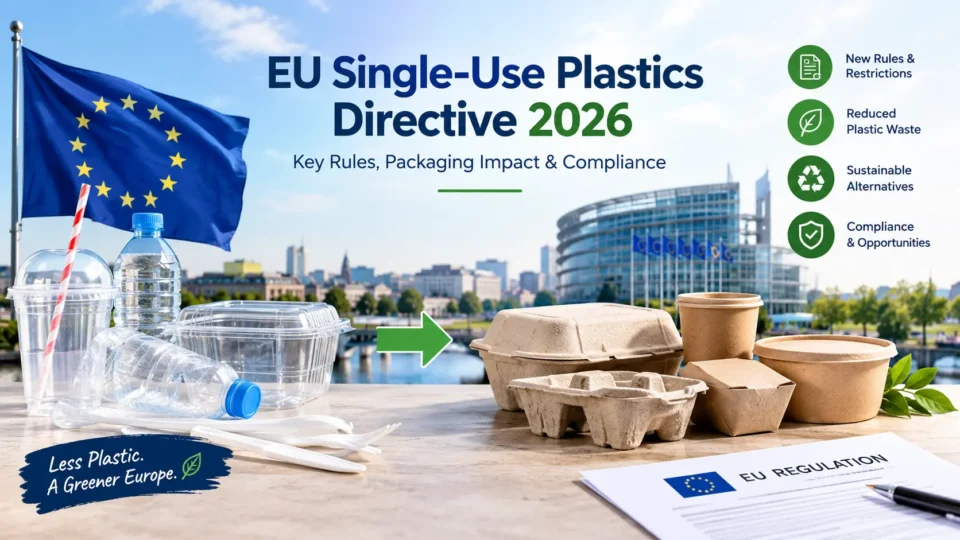
EU Single-Use Plastics Directive 2026

EU Single-Use Plastics Directive 2026: What Packaging Importers Must Change Now

There’s a bit of confusion floating around the phrase “EU SUP Directive 2026,” and it’s worth clearing up before we get into the practical part. The headline bans under the EU Single-Use Plastics Directive — plastic cutlery, plates, straws, stirrers, cotton bud sticks, and expanded polystyrene (EPS) food containers and cups — have actually been

EU Single-Use Plastics Directive 2026: What Packaging Importers Must Change Now Read More »
UK Plastic Packaging Tax 2026

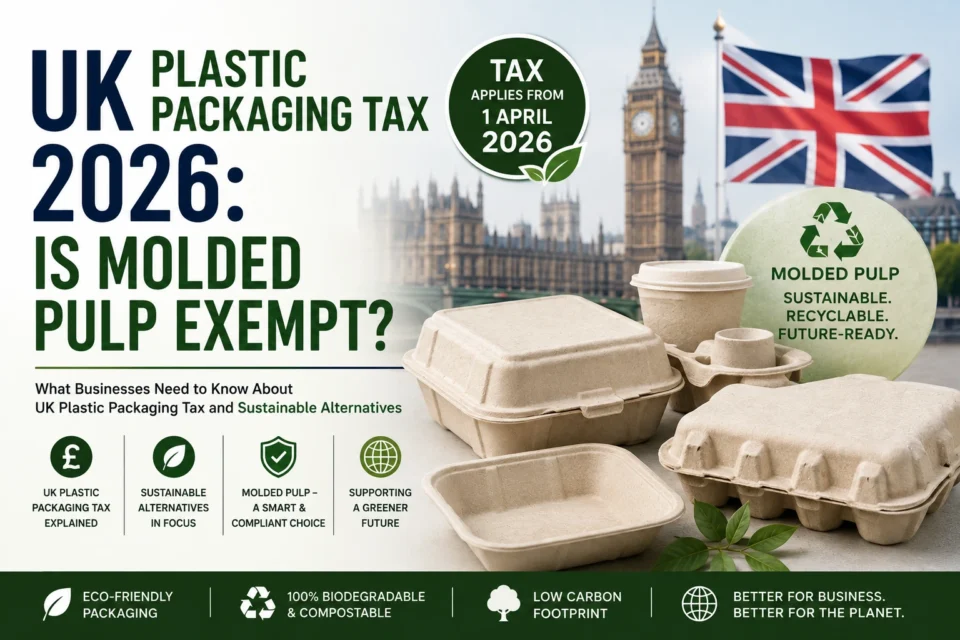
UK Plastic Packaging Tax 2026: Is Molded Pulp Exempt?

If you import packaging into the UK, you’ve probably already felt the sting of the Plastic Packaging Tax (PPT). And if you haven’t yet, April 2026 made sure you will. The rate jumped again — this time to £228.82 per tonne — and for anyone still buying virgin plastic trays, clamshells, or void-fill, that number lands directly

UK Plastic Packaging Tax 2026: Is Molded Pulp Exempt? Read More »

Paper Pulp Egg Packaging

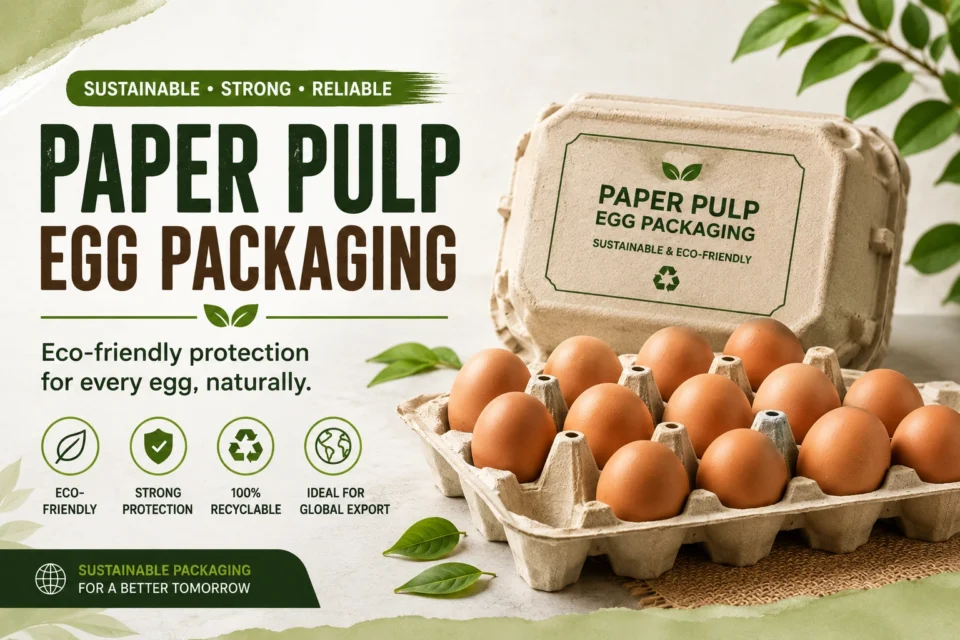
Paper Pulp Egg Packaging: Benefits for Poultry and Food Businesses

For poultry farms, egg distributors, and food businesses, packaging isn’t just about presentation — it’s directly tied to product safety, spoilage rates, operational cost, and increasingly, sustainability compliance. Paper pulp egg packaging has become the standard choice across most of the global poultry industry, and for good reason. Here’s a detailed look at why it

Paper Pulp Egg Packaging: Benefits for Poultry and Food Businesses Read More »

Mechanical Pulp vs Chemical Pulp

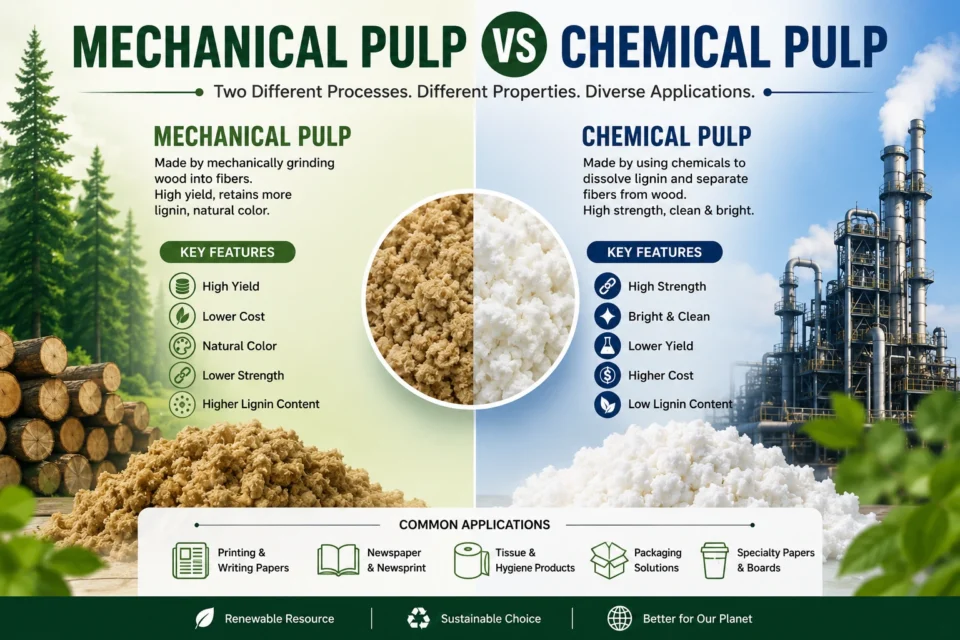
Mechanical Pulp vs Chemical Pulp: Key Differences Explained

If you’ve spent any time researching paper pulp production, you’ve likely come across the terms “mechanical pulping” and “chemical pulping.” These are the two fundamental methods used to turn raw wood into usable pulp fiber, and the difference between them significantly affects the strength, appearance, and best use of the final material. Here’s a clear,

Mechanical Pulp vs Chemical Pulp: Key Differences Explained Read More »

What Is a Pulping Mill and How Does It Work?

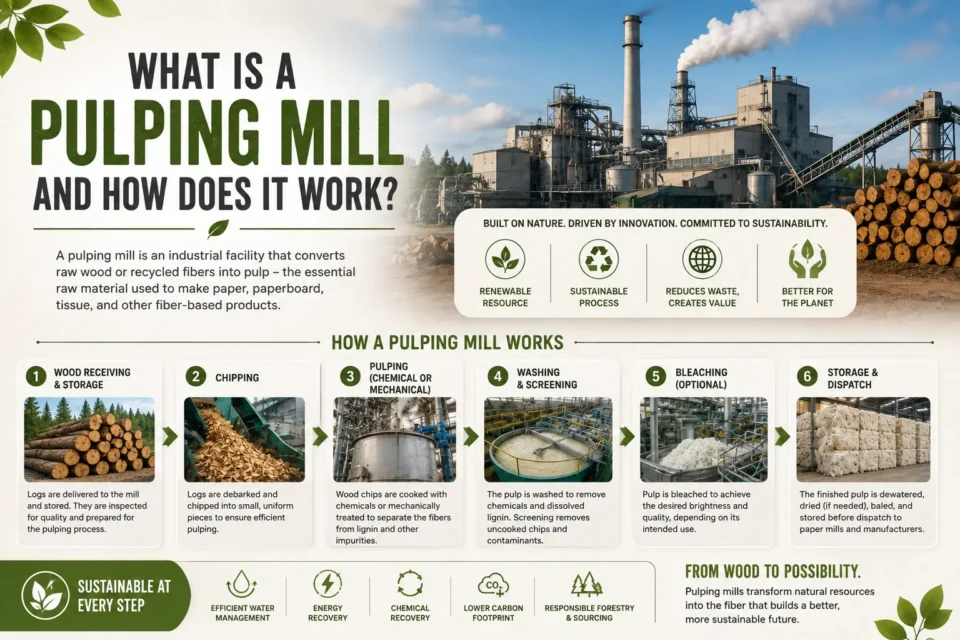
What Is a Pulping Mill and How Does It Work?

If you’ve read about the pulp and paper industry, you’ve almost certainly come across the term “pulping mill” or “pulp mill.” For anyone outside the industry, it’s easy to picture this as just another paper factory — but a pulping mill is actually a specific, highly specialized type of facility with its own distinct processes,

What Is a Pulping Mill and How Does It Work? Read More »

Understanding Pulp Chemistry in Paper Manufacturing

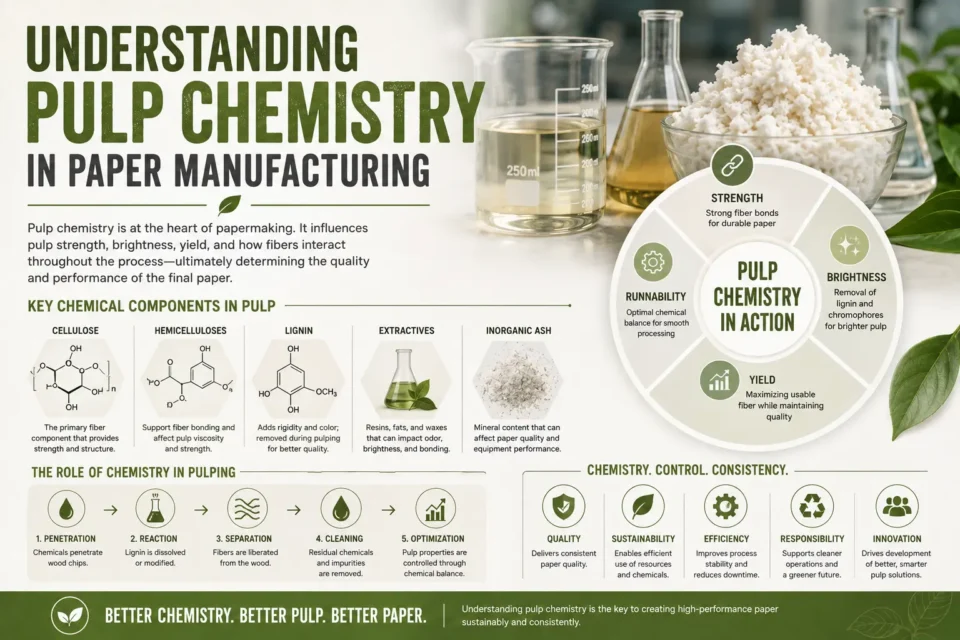
Understanding Pulp Chemistry in Paper Manufacturing

Paper pulp production might look like a straightforward mechanical process from the outside — wood goes in, fiber comes out — but at its core, it’s a chemistry problem. Understanding the basic chemistry behind pulping helps explain why different pulp types behave so differently, why bleaching is necessary for some products, and why fiber bonding

Understanding Pulp Chemistry in Paper Manufacturing Read More »

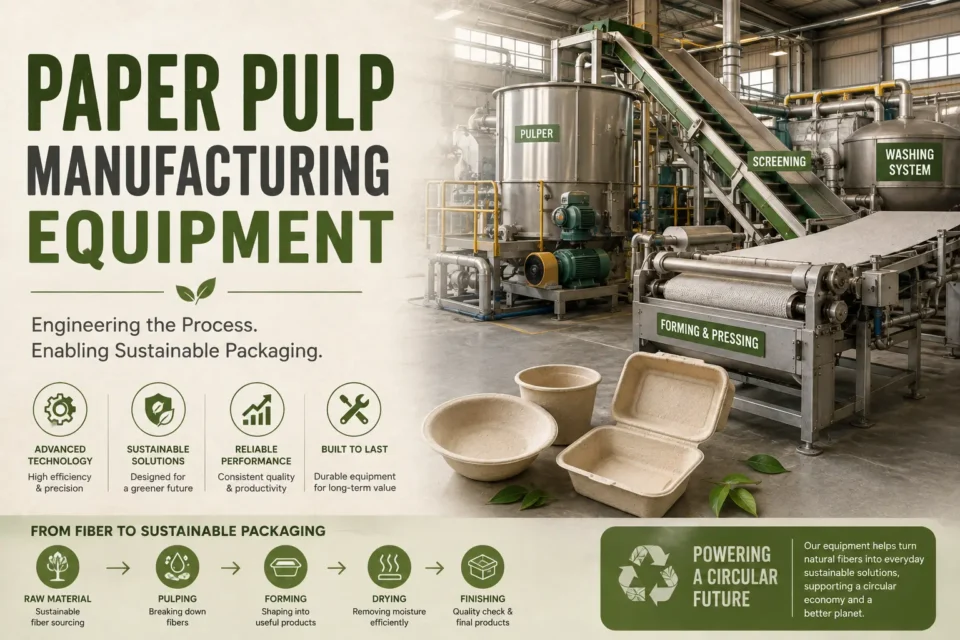
Paper Pulp Manufacturing Equipment: An Overview

Paper Pulp Manufacturing Equipment: An Overview

Behind every egg tray, protective insert, or molded fiber product is a chain of specialized equipment, each handling a specific stage of transforming raw paper or wood material into a finished packaging product. Whether you’re a business researching your supplier’s capabilities or simply curious about the manufacturing side of the industry, understanding the key equipment

Paper Pulp Manufacturing Equipment: An Overview Read More »

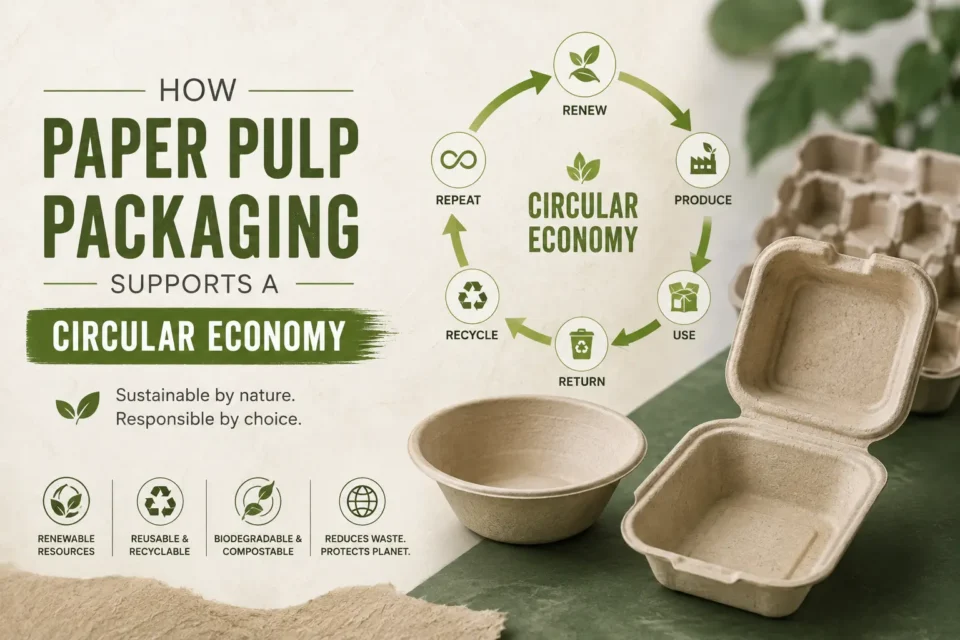
How Paper Pulp Packaging Supports a Circular Economy

How Paper Pulp Packaging Supports a Circular Economy

Sustainable packaging gets used so often as a marketing term that it’s easy to lose sight of what it actually means in practice. Paper pulp packaging stands out because it doesn’t just claim sustainability — it operates on genuine circular economy principles: material is recovered, reprocessed, and reused in a continuous loop, rather than following

How Paper Pulp Packaging Supports a Circular Economy Read More »

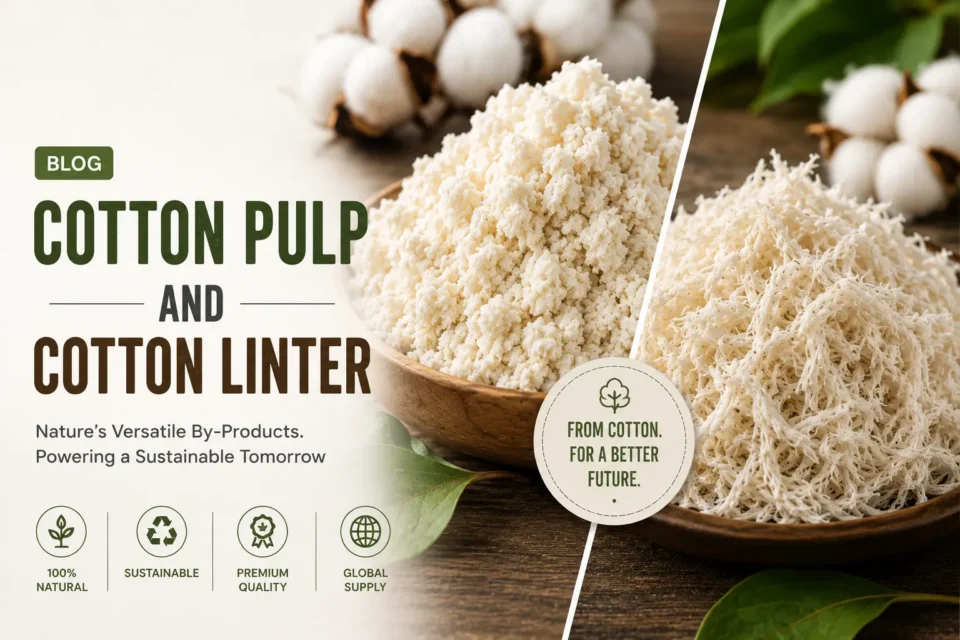
Cotton Pulp and Cotton Linter: Uses in Paper Manufacturing

Cotton Pulp and Cotton Linter: Uses in Paper Manufacturing

Wood remains the dominant raw material for pulp and paper worldwide, but it’s far from the only one. Cotton — specifically cotton linter, a by-product of cotton processing — has been used as a pulp fiber source for specialty paper products for well over a century. If you’ve come across the term and wondered what

Cotton Pulp and Cotton Linter: Uses in Paper Manufacturing Read More »

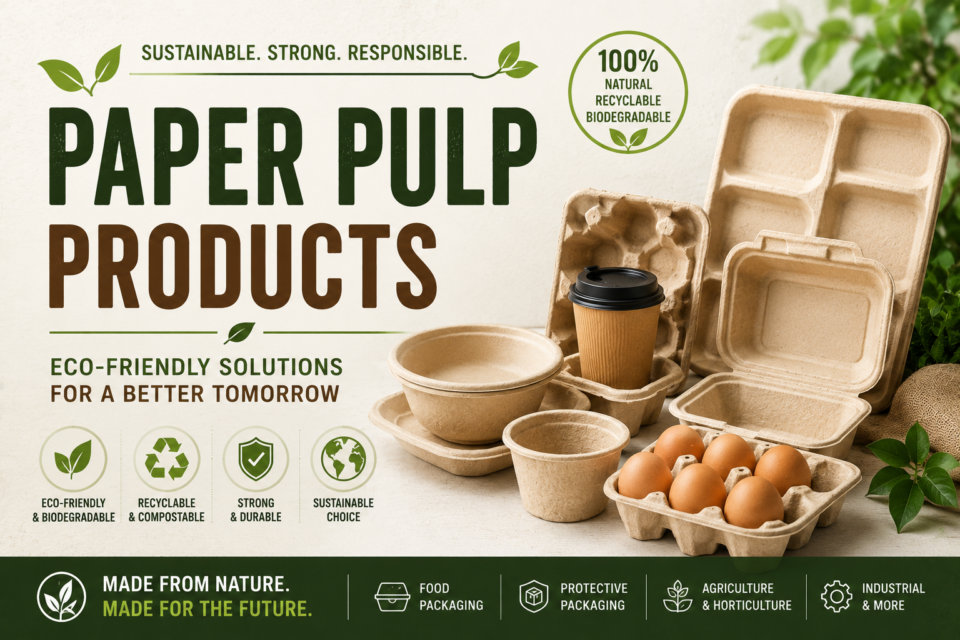
Paper Pulp Products: Types, Applications and Buying Considerations

Paper Pulp Products: Types, Applications and Buying Considerations

Paper pulp products is a surprisingly broad category — it spans everything from the notebook paper on your desk to the egg carton in your fridge to the protective packaging cushioning a shipped electronic device. For businesses exploring pulp-based materials for the first time, understanding the full range of product types — and what to

Paper Pulp Products: Types, Applications and Buying Considerations Read More »